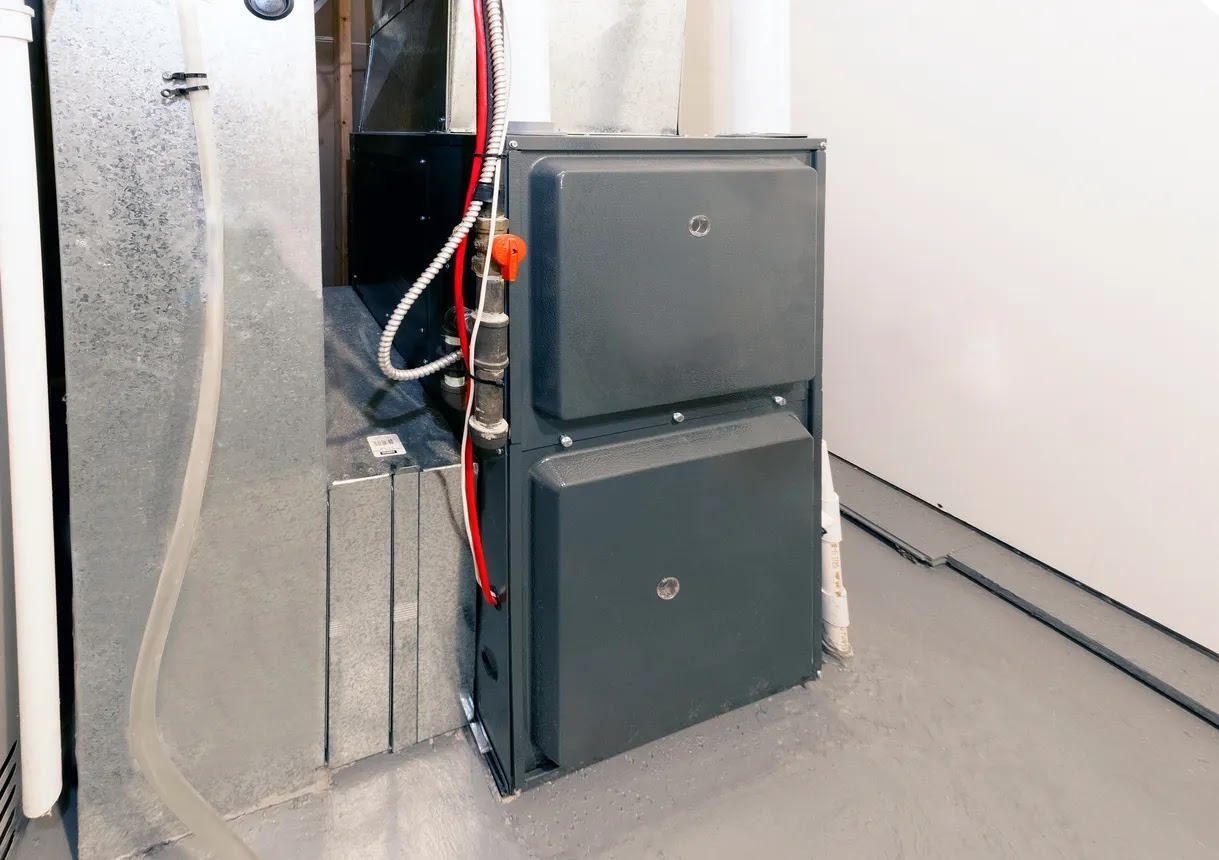
Ensure furnace safety with these professional techniques for crack detection. Prevent hazards and maintain efficiency while safeguarding your home environment.
Furnace safety is a vital component of home maintenance that ensures both comfort and security throughout the year. A properly functioning furnace not only provides essential warmth during colder months but also helps prevent dangerous situations, such as carbon monoxide leaks. This article explores the significance of detecting heat exchanger cracks and maintaining furnace safety, outlining common symptoms of a cracked heat exchanger, the inspection process, and recommended maintenance practices. Homeowners will gain insights on how to identify potential problems early, understand the risks linked to carbon monoxide, and learn effective strategies to keep their heating systems safe and efficient.
What Are the Common Symptoms of a Cracked Heat Exchanger?
A cracked heat exchanger can create serious safety hazards, including the risk of carbon monoxide leaks. Early recognition of symptoms can help avoid dangerous situations and costly repairs. Common signs that may indicate a cracked heat exchanger include:
Unusual Noises: Popping or banging sounds coming from the furnace may suggest internal damage. These noises often indicate that the heat exchanger is compromised and requires immediate attention to prevent further issues.
Increased Energy Bills: A noticeable increase in heating costs can be a sign of inefficiency caused by cracks in the heat exchanger. When the system is not operating properly, it consumes more energy to maintain the desired temperature, leading to higher utility expenses.
Soot or Stains: The presence of black soot around the furnace or on nearby walls can indicate combustion problems. This buildup is often a warning sign that the heat exchanger is not functioning correctly and may be cracked.
Carbon Monoxide Detector Alerts: Frequent alarms from carbon monoxide detectors suggest a potential leak. These alerts should never be ignored, as they indicate the presence of a dangerous gas that can harm occupants.
Recognizing these symptoms early is essential for maintaining a safe home environment. Understanding how to spot these warning signs can lead to timely inspections and repairs, ensuring the safety and well-being of your household.
How to Identify Signs of Heat Exchanger Damage Early
Detecting heat exchanger damage at an early stage is crucial to prevent severe consequences. Homeowners should regularly inspect their heating systems for various indicators, including:
Visual Signs: Look closely for rust, corrosion, or any visible deterioration on the heat exchanger. These visual cues often point to underlying damage that could worsen if left unaddressed.
Auditory Signs: Pay attention to any unusual sounds during furnace operation, such as rattling or banging. These noises may indicate internal issues that require professional evaluation.
By staying proactive and vigilant, homeowners can detect potential problems before they escalate, ensuring their heating systems operate safely and efficiently throughout the season.
Cracks in the heat exchanger significantly raise the risk of carbon monoxide (CO) leaks. When the heat exchanger is damaged, it can allow this colorless and odorless gas to enter the living space, posing serious health hazards. The risks associated with carbon monoxide exposure include:
Headaches and Dizziness: Early symptoms of CO poisoning often resemble flu-like conditions, making them easy to overlook. These symptoms should prompt immediate investigation to rule out CO exposure.
Long-term Health Effects: Prolonged exposure to carbon monoxide can cause severe neurological damage and, in extreme cases, can be fatal. Protecting your home from CO leaks is essential for the health of all occupants.
Understanding the link between heat exchanger integrity and carbon monoxide safety is critical for homeowners. Regular inspections and maintenance can help reduce these risks and safeguard the health of everyone in the household.
How Is a Furnace Safety Inspection Conducted?
A thorough furnace safety inspection is necessary to ensure the safe and efficient operation of heating systems. This process involves several important steps designed to evaluate the furnace’s condition and identify any potential problems.
Initial Assessment: Skilled technicians begin by evaluating the overall condition of the furnace and its components. This initial review helps determine if further detailed inspection is needed.
Detailed Checks: Each part of the furnace, including the heat exchanger, burners, and flue, is carefully inspected for signs of wear, damage, or malfunction. This comprehensive examination ensures that all critical components are functioning properly.
This methodical approach helps guarantee that the furnace operates safely, reducing the likelihood of malfunctions and enhancing overall safety for the home.
Step-by-Step Furnace Inspection Process Explained
The furnace inspection process consists of several key steps that technicians follow to ensure a complete evaluation:
Visual Inspection: Technicians look for visible signs of damage, corrosion, or wear on the furnace and its parts. This step helps identify obvious issues that may require immediate attention.
Operational Testing: The furnace is turned on to assess its performance, efficiency, and response during operation. This testing helps detect any irregularities in function that could indicate underlying problems.
Safety Checks: Essential safety features, such as carbon monoxide detectors and ventilation systems, are tested to confirm they are working correctly. These checks are vital to ensure the home remains protected from hazards.
By following this structured inspection process, technicians can identify and address potential issues before they develop into serious problems, ensuring the furnace maintenance remains safe and reliable.
Key Safety Checks Included in Furnace Inspection Services
Furnace inspection services include several critical safety checks designed to maintain a safe heating environment. These checks typically cover:
Flue and Ventilation: Proper venting is verified to prevent the buildup of harmful gases inside the home. Ensuring adequate ventilation is essential for safe furnace operation and indoor air quality.
Burner Operation: The burners are examined for efficient combustion and correct flame characteristics. Proper burner function is necessary to maintain heating efficiency and reduce the risk of dangerous emissions.
Electrical Components: Wiring and electrical connections are inspected for safety and functionality. Faulty electrical parts can lead to malfunctions or fire hazards, so this check is crucial.
These safety checks play a fundamental role in preventing hazardous situations and ensuring the furnace operates safely throughout its service life.
What Are the Dangers of Carbon Monoxide Leaks from Furnaces?
Carbon monoxide leaks from furnaces present serious dangers to homeowners and their families. Understanding these risks is key to maintaining a safe living environment and preventing potential tragedies.
Health Risks: Exposure to carbon monoxide can cause a range of health problems, including respiratory difficulties, neurological damage, and in severe cases, death. The invisible nature of CO makes it especially dangerous without proper detection.
Fire Hazards: Accumulated carbon monoxide gas can create explosive conditions, increasing the risk of fire or explosion within the home. Proper furnace maintenance helps mitigate these risks.
Awareness of these dangers highlights the importance of regular furnace inspections and maintenance to prevent carbon monoxide leaks and protect your household.
Health Risks Associated with Carbon Monoxide Exposure
Exposure to carbon monoxide can have serious health consequences. Symptoms of CO poisoning often include:
Nausea and Vomiting: These early signs may be mistaken for common illnesses, delaying proper diagnosis and treatment. Recognizing these symptoms in the context of furnace use is important.
Confusion and Disorientation: High levels of carbon monoxide exposure can impair cognitive function, leading to confusion, dizziness, and loss of coordination. Immediate medical attention is necessary in such cases.
Understanding these symptoms can help individuals recognize potential carbon monoxide exposure and seek prompt assistance to avoid severe health outcomes.
How Carbon Monoxide Detection Protects Your Home
Installing carbon monoxide detectors is a crucial step in safeguarding your home from CO leaks. These devices provide early warnings, allowing residents to take action before exposure becomes dangerous. Effective CO detectors typically feature:
Battery Backup: This ensures the detector remains operational during power outages, maintaining continuous protection. Reliable power sources are essential for uninterrupted safety.
Digital Display: A digital readout provides real-time carbon monoxide levels, enabling homeowners to monitor air quality and respond quickly to any changes. This feature enhances awareness and safety.
By investing in dependable carbon monoxide detection systems, homeowners can significantly reduce the risks associated with CO exposure and protect their families.
How Often Should You Schedule Furnace Safety Inspections?
Regular furnace safety inspections are critical for maintaining a safe and efficient heating system. Homeowners should consider several factors when deciding how frequently to schedule these inspections.
Recommended Frequency: It is generally advised to have furnace inspections at least once a year, preferably before the heating season begins. This timing helps ensure the system is ready for use and any issues are addressed early.
Local Climate Considerations: In regions with extreme temperatures, more frequent inspections may be necessary to keep the furnace operating safely and efficiently. Adapting inspection schedules to local conditions is important for optimal maintenance.
Following these guidelines can help homeowners maintain their heating systems effectively and avoid unexpected breakdowns.
Recommended Inspection Frequency for Phoenix Homeowners
For residents of Phoenix, scheduling furnace inspections at least once annually is recommended. The unique climate of the area means that regular checks can help ensure heating systems function efficiently and safely during the cooler months. Consistent maintenance also helps extend the lifespan of the equipment.
Factors Influencing Furnace Maintenance Schedules
Several factors can affect how often homeowners should arrange furnace maintenance, including:
Age of the Furnace: Older heating systems may require more frequent inspections due to increased wear and potential for failure. Keeping a close eye on aging equipment helps prevent unexpected issues.
Usage Patterns: Homes that rely heavily on their heating systems, especially during long cold periods, may benefit from more regular maintenance. Frequent use can accelerate wear and tear, making timely inspections essential.
By considering these factors, homeowners can customize their maintenance schedules to ensure their furnaces operate safely and efficiently year-round.
What Are the Best Practices for Heat Exchanger Repair and Maintenance?
Proper maintenance of the heat exchanger is essential for the overall safety and efficiency of the furnace. Adopting best practices can help prevent problems and extend the life of the heating system.
Regular Inspections: Scheduling routine inspections allows for early detection of potential issues. Consistent monitoring helps catch problems before they become serious, reducing repair costs and safety risks.
Prompt Repairs: Addressing any signs of damage immediately is crucial to prevent further complications. Timely repairs help maintain system integrity and ensure continued safe operation.
Following these best practices enables homeowners to keep their heating systems safe, reliable, and efficient throughout their lifespan.
Effective Heat Exchanger Repair Techniques
When damage to a heat exchanger is identified, several repair methods can be considered depending on the extent of the issue:
Welding: For minor cracks, welding can effectively restore the heat exchanger’s structural integrity. This repair method is often a cost-effective solution that extends the life of the component.
Replacement: In cases of extensive damage, replacing the heat exchanger may be necessary to ensure safety and proper function. Although more costly, replacement guarantees a fully reliable heating system.
Heater Maintenance Checklist to Prevent Future Cracks
To reduce the risk of future cracks in the heat exchanger, homeowners should follow a comprehensive maintenance checklist that includes:
Regular Cleaning: Removing dust, dirt, and debris from the furnace helps maintain proper airflow and prevents overheating. Clean components operate more efficiently and last longer.
Monitor Performance: Keeping track of energy bills and furnace operation can reveal irregularities that may indicate developing problems. Early detection through monitoring supports timely intervention.
Schedule Professional Inspections: Engaging qualified HVAC professionals for thorough assessments ensures that any issues are identified and addressed by experts. Professional inspections provide peace of mind and enhance safety.
Adhering to this maintenance checklist significantly lowers the chances of heat exchanger damage and promotes a safe heating environment.
Repair Technique
Description
Effectiveness
Welding
Used for minor cracks to restore structural integrity and extend component life.
High
Replacement
Necessary for extensive damage to ensure safety and reliable operation.
Very High
Regular Maintenance
Prevents future issues through proactive care and early problem detection.
High
This table highlights the various repair techniques available for heat exchangers, emphasizing the importance of timely action to maintain safety and efficiency in your heating system.
To ensure your furnace operates safely and efficiently, consider professional heat pump services from Pinon Air Cooling in Phoenix. Their expert team provides regular maintenance and repairs that can prevent many common heating issues.
For homeowners in Phoenix, preparing your heating system for the colder months is essential. Scheduling regular inspections and maintenance with Pinon Air Cooling helps maintain system efficiency and safety throughout the season.
Regular furnace maintenance is key to preventing problems and ensuring safe operation. Contact Pinon Air Cooling for comprehensive inspections and expert repairs to keep your heating system in top condition.
Schedule Your Furnace Safety Inspection Today
Don't wait until a small issue becomes a major safety hazard. Protect your home and family by scheduling a professional furnace safety inspection with Pinon Air Cooling. Their experienced technicians will thoroughly assess your heating system, detect any potential problems early, and provide reliable repairs to keep your furnace running safely and efficiently.
Contact Pinon Air Cooling now to book your inspection and ensure your home stays warm and secure all year long. Book Your Inspection.
Book Expert HVAC Service or Contact Us
Thank you! Your submission has been received!
Oops! Something went wrong while submitting the form.
Ensure furnace safety with these professional techniques for crack detection. Prevent hazards and maintain efficiency while safeguarding your home environment.
Improve your home's energy efficiency with expert tips on insulation. Maximize your HVAC system's performance and enjoy a comfortable living space year-round.