


Heat Exchanger Crack Detection & Furnace Safety
Ensure furnace safety with these professional techniques for crack detection. Prevent hazards and maintain efficiency while safeguarding your home environment.
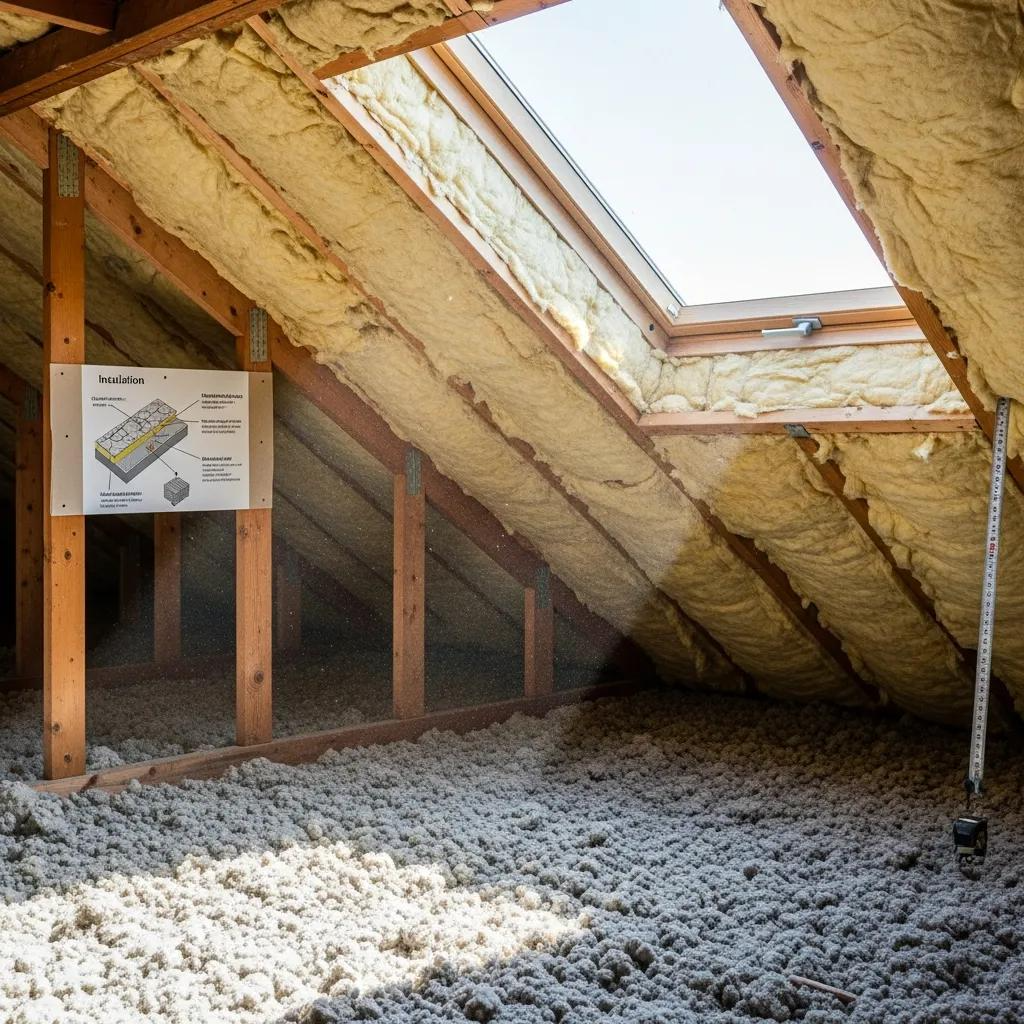
A smart insulation upgrade makes a visible difference in comfort and monthly bills. It's an investment that pays dividends in a more comfortable living environment and reduced operational costs for your home. In hot places like Phoenix and Sun City, the right insulation keeps cooled air where it belongs so your HVAC runs less often, uses less power, and stands a better chance of lasting longer. This guide explains how insulation works, which types suit our climate, and how Pinon Air Cooling pairs insulation, air sealing, and HVAC expertise to get the most from your system.
Insulation helps your HVAC by slowing heat flow between indoors and outdoors. This crucial barrier ensures that the conditioned air you pay for remains inside your home, where it belongs. That means your air conditioner or heater doesn’t have to cycle as frequently to hold the temperature you set — which significantly reduces energy use and eases wear on the equipment. Understanding heat movement and insulation performance helps you choose upgrades that lower bills and keep your home comfortable year-round.
Heat moves three ways: conduction (through solid materials), convection (with moving air), and radiation (infrared heat). Insulation reduces those paths by trapping still air, filling gaps, or reflecting radiant heat, so indoor temperatures stay steadier. These methods collectively create a thermal barrier that minimizes unwanted heat gain in summer and heat loss in winter. High-resistance materials — like properly installed spray foam or dense fiberglass — effectively slow heat transfer in both seasons.
R-value is a measure of how well a material resists heat flow: higher R-value means better thermal resistance. This metric is crucial for determining the effectiveness of insulation in various climates. In Phoenix’s hot climate, attic insulation is especially important; recommended attic R-values typically range from R-30 to R-49 depending on the home. Picking the right R-value helps your HVAC work smarter and keeps energy costs down by maintaining consistent indoor temperatures.
The right insulation depends on where it goes and what you need — thermal performance, air sealing, or budget-friendly coverage. Each material has strengths and trade-offs, so it's important to match the product to the specific space and the problem you want to solve. A thorough assessment by a professional can help determine the most effective solution for your home.
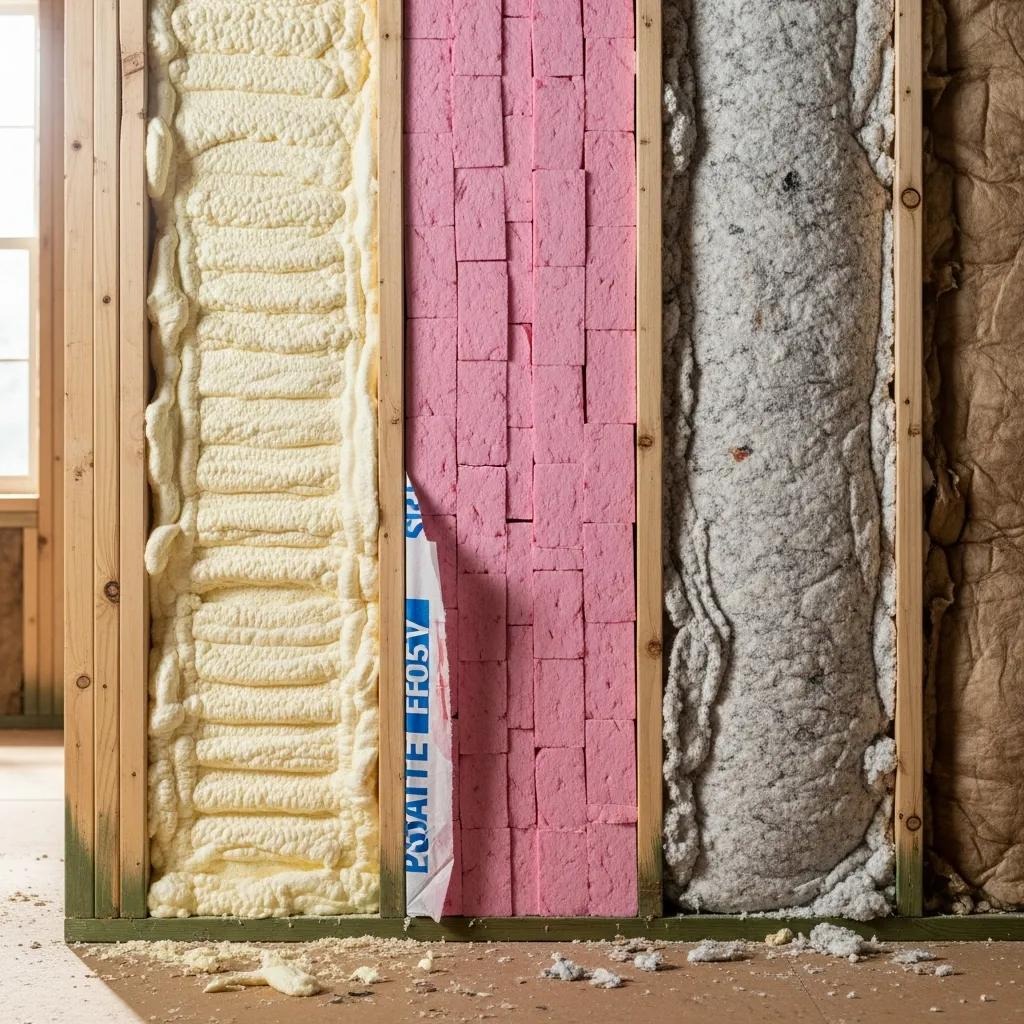
A quick comparison to help weigh your options:
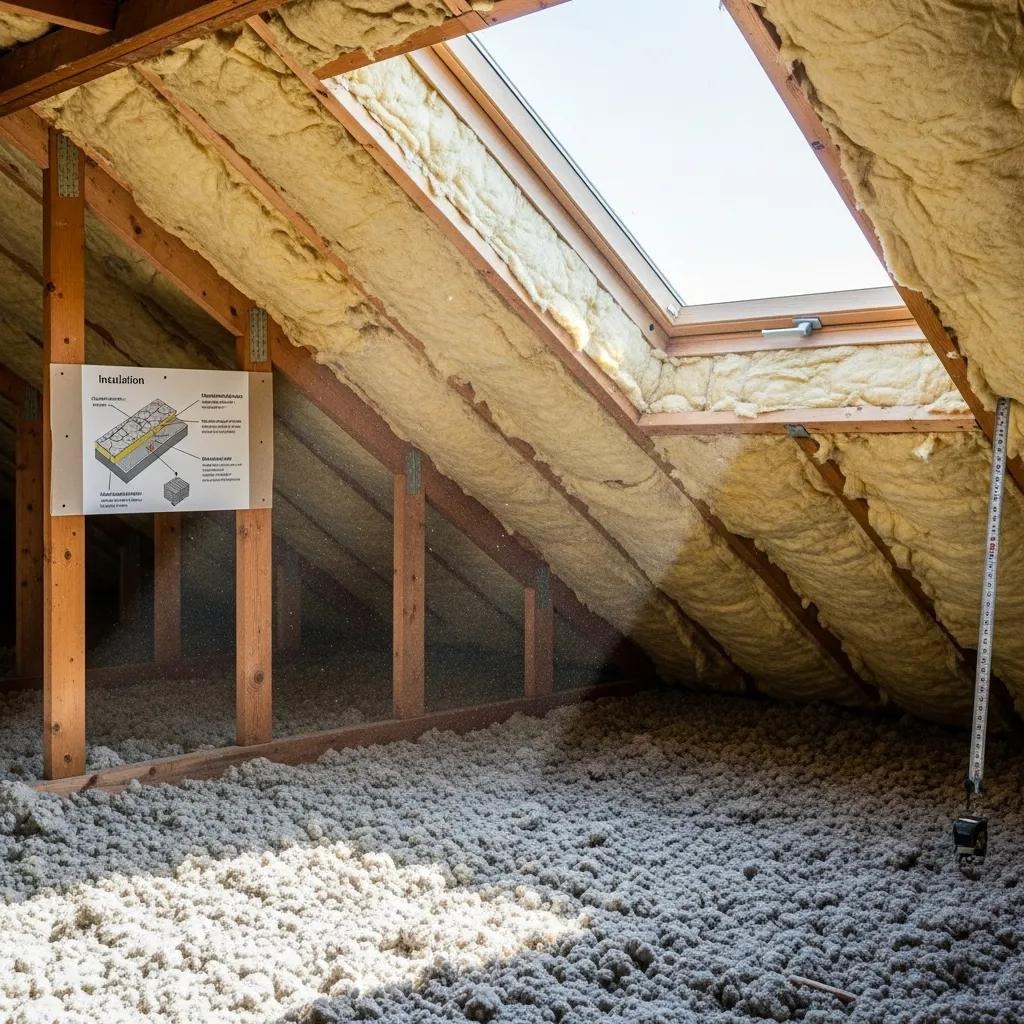
In hot climates, the attic is a major source of unwanted heat gain into living spaces. The intense sun beating down on your roof can significantly raise attic temperatures, which then radiates into your home. Proper attic insulation reduces that heat transfer, eases the load on your HVAC, and helps maintain steadier indoor temperatures — which lowers electric bills and cuts HVAC run time. It also helps limit moisture issues that can cause damage over time, though ice dams aren’t usually a concern here in Phoenix.
A well-insulated and sealed attic acts as a crucial buffer between your living space and the extreme outdoor temperatures. This barrier helps to stabilize indoor conditions, preventing your HVAC system from overworking. By minimizing heat transfer, attic insulation contributes significantly to both comfort and energy savings throughout the year.
Good insulation reduces how often your HVAC runs and shortens run times when it does. This direct impact on system operation translates into less energy consumption and reduced strain on components. That lowers energy use, trims monthly bills, and reduces the stress that leads to part failure. Over time, a properly insulated home helps your system run more efficiently and reliably, extending its lifespan and minimizing unexpected repair costs.
Insulation helps the house hold a steady temperature so the HVAC doesn’t have to chase swings. This consistent indoor environment means your system can operate more efficiently, maintaining your desired temperature with less effort. Fewer and shorter cycles mean lower electricity use — well-insulated homes can achieve substantial savings on heating and cooling, making insulation a smart, long-term investment. These savings can significantly impact your household budget over the years.
When your HVAC doesn’t run all the time, it experiences less wear and tear on its critical components. This reduction in operational stress helps to preserve the integrity of the system. That cuts the frequency of breakdowns and lowers repair bills, saving you money and inconvenience. In short: less strain now means a longer working life and fewer surprises down the road, ensuring your system serves you reliably for years to come.
Pinon Air Cooling blends insulation and air sealing with HVAC services to deliver whole-house solutions for Phoenix and Sun City homes. Our comprehensive approach addresses all aspects of your home's thermal performance. With 18 years serving this area, we inspect rooflines, attics, ducts, and equipment to recommend a tailored plan that improves comfort and reduces energy waste. Our goal is to provide a holistic solution that maximizes your home's efficiency and your family's comfort.
Coordinating improvements to both the building envelope and the HVAC system is consistently shown to produce the largest energy savings. This integrated strategy ensures that all components of your home's energy system work together seamlessly. By addressing both insulation and HVAC, Pinon Air Cooling helps homeowners achieve optimal performance and significant long-term benefits.
We select products and installation methods to match local needs: higher attic R-values, thorough air sealing, and careful attention to duct location and insulation. Our expertise in the unique climate of Phoenix and Sun City allows us to recommend the most effective solutions. Whether spray foam or fiberglass is the right fit for your house, our assessment points to the solution that balances comfort, performance, and budget. We ensure that every recommendation is specifically designed to meet your home's individual requirements.
Insulation works best when the home envelope is tight, preventing conditioned air from escaping. Air sealing closes gaps and cracks so conditioned air stays inside and outside air stays out, creating a more controlled environment. Combined with insulation, air sealing often delivers the biggest jump in comfort and efficiency — and Pinon Air includes both in our whole-house approach. This dual strategy ensures maximum effectiveness in maintaining your home's indoor climate.
Upgrading insulation alongside HVAC improvements produces measurable benefits — fewer hot or cold spots, steadier indoor temperatures, and meaningful reductions on utility bills. These combined upgrades create a synergistic effect, where each improvement enhances the performance of the other. The result is a home that is consistently comfortable and significantly more energy-efficient.
When insulation upgrades are paired with HVAC improvements, homeowners can see substantial energy-bill reductions. These savings can amount to significant sums each year, leading to a faster payback on your initial investment. The long-term financial benefits make these upgrades a wise decision for any homeowner looking to reduce ongoing costs. Many homeowners find that the comfort improvements alone are worth the investment, in addition to the financial returns.
Federal, state, and local programs can help offset some of the cost for insulation and HVAC upgrades. These incentives are designed to encourage homeowners to invest in energy-efficient solutions. For current incentives and which ones apply to your project, consult with Pinon Air Cooling — we can help identify rebates and tax credits to lower your out-of-pocket cost. We are committed to helping you maximize your savings and make these essential upgrades more affordable.
Investing in insulation is a straightforward way to boost home comfort, cut energy costs, and ease wear on HVAC equipment. It's a foundational step towards creating a truly energy-efficient living space. When insulation, air sealing, and HVAC upgrades work together, you get consistent indoor temperatures and meaningful savings over time. This integrated approach ensures that your home performs at its best, providing lasting comfort and efficiency. Contact Pinon Air Cooling for a tailored solution that meets your home’s needs and budget — we’ll help you start your journey toward greater comfort and efficiency and enjoy a more sustainable home.

